


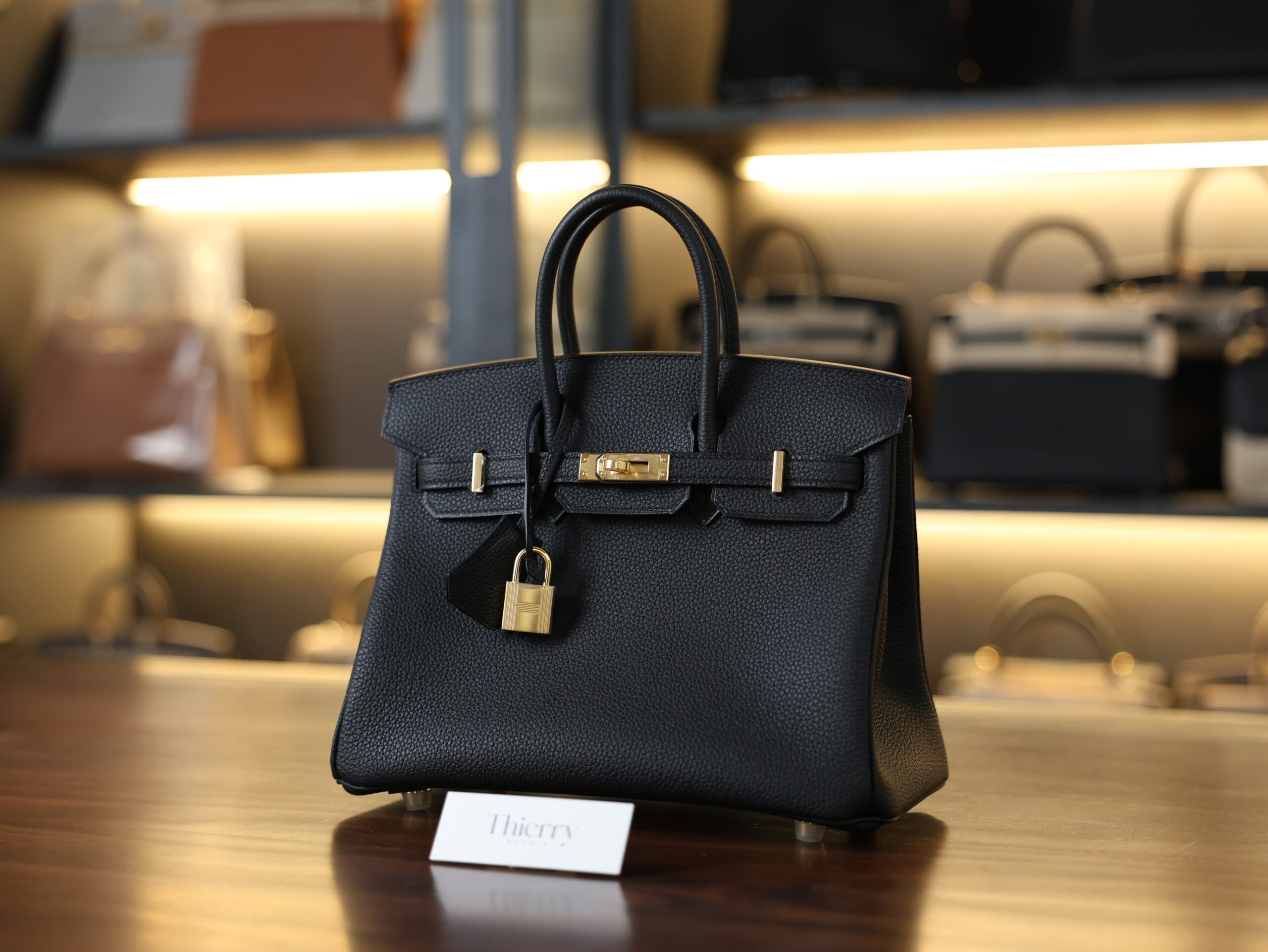
In this post, we are talking about
the Birkin, a bag on so many women’s wish lists.
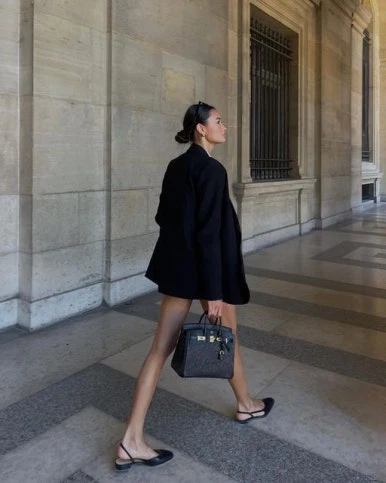

Let’s explore why it is so popular
and just how difficult it can be to obtain.
First, a little background:
the Birkin came about by chance in 1984,
on a flight from Paris to London.
British actress Jane Birkin was seated
next to Hermès CEO Jean-Louis Dumas,
and mentioned how hard it was to find a bag that suited her needs as a young mother.
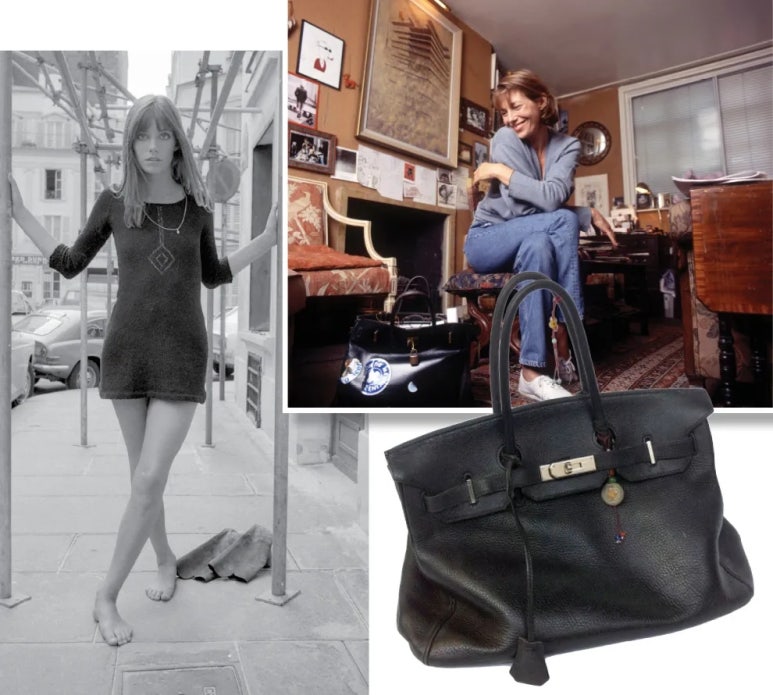
Dumas responded by sketching a soft,
spacious rectangular bag on the spot.
The design even included room for baby bottles.

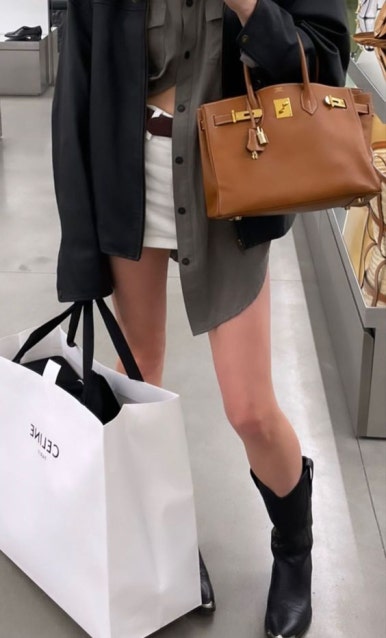
Born from that chance encounter, the Birkin
became a dream bag for women around the world
and one of Hermès’ defining designs.
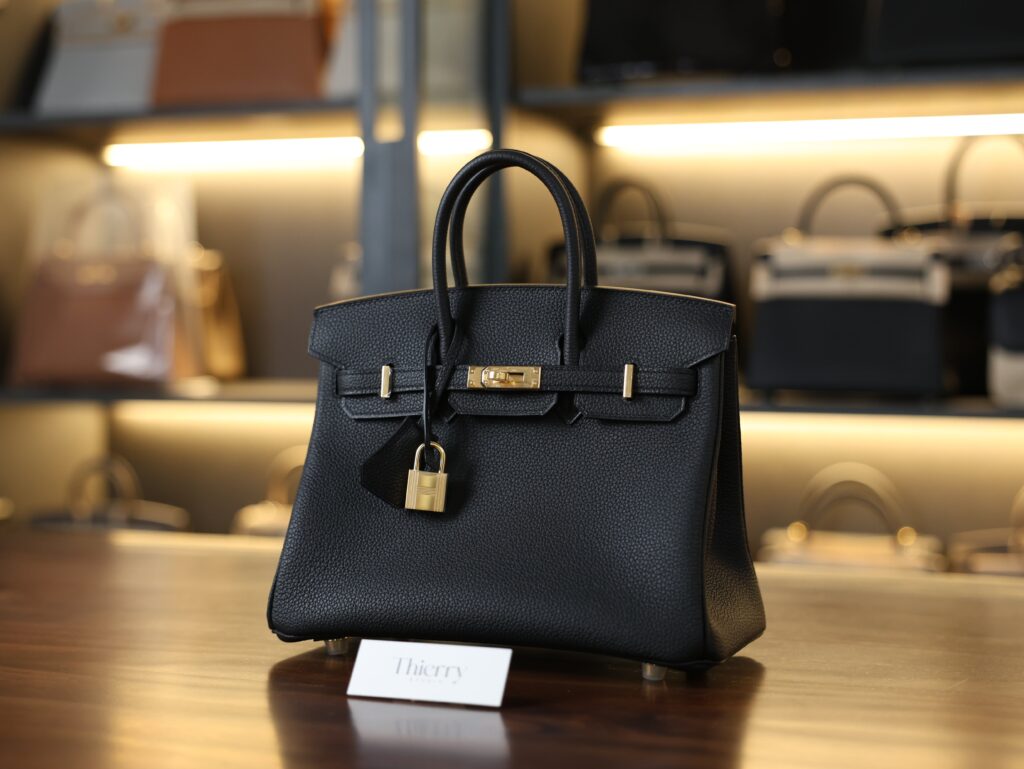
Birkin sizes include 25, 30, 35 and 40,
and the bag comes in a wide range of leathers.
Part of the Birkin’s allure lies in
how difficult it is to buy. High demand
and limited production play a role,
but a purchase history is often an even bigger factor.
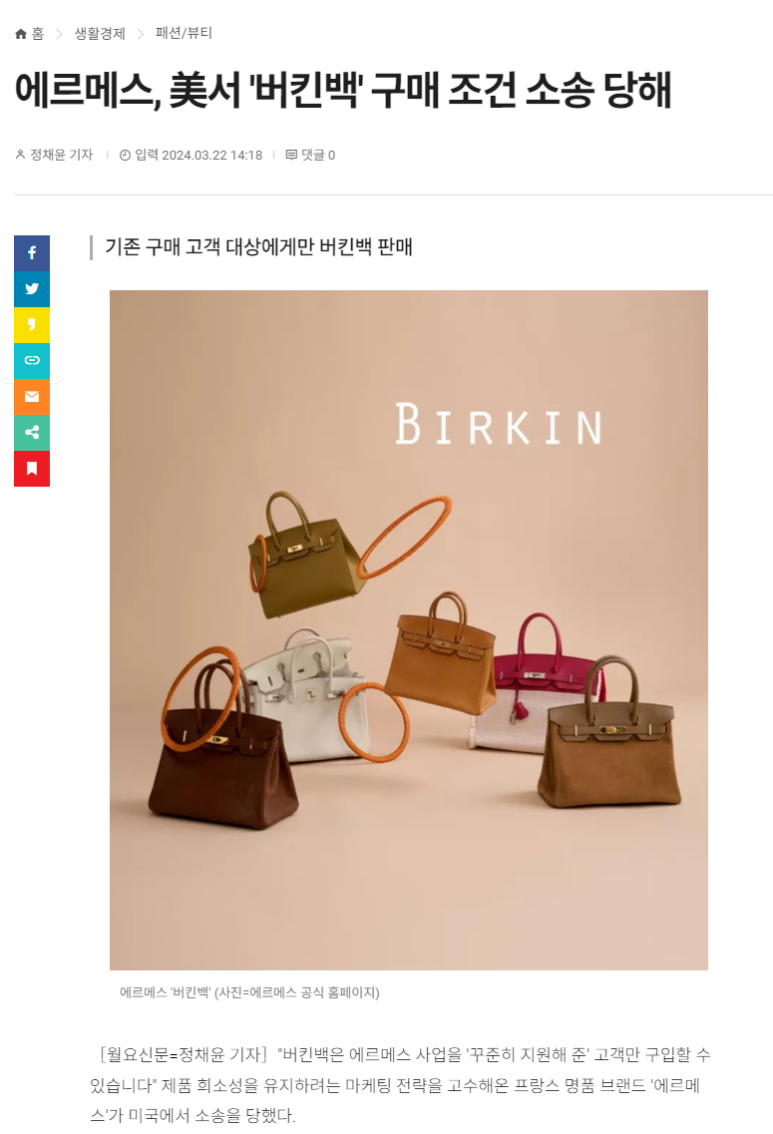
Source: the news report pictured here.
Frustration with this process recently led
some American consumers to file
an antitrust lawsuit against Hermès.

Hermès classifies certain bags,
including the Birkin and Kelly, as quota bags.
Put simply, a quota bag is
“not a bag you can just walk into a boutique and buy.”
That is the idea behind the term.
Hermès does not make its most coveted
luxury bags readily available to everyone.
If you want a popular model such as the Birkin,
you are generally expected to spend at the boutique first.
This is what is often called building a purchase history.
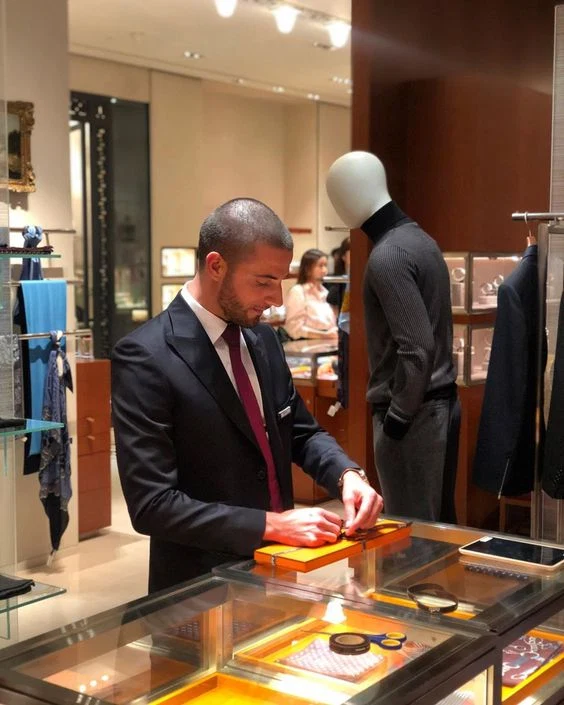
People frequently report that, depending on the model,
being offered a quota bag can involve spending anywhere from thousands of dollars
to more than US$74,560 in approximate USD terms. Experiences vary, of course,
and even spending that much does not guarantee a Birkin.
It may simply create an opportunity to be offered one.
If you want a particular color or size,
the wait may be even longer. The quota system
helps preserve scarcity and exclusivity,
so even customers who spend heavily
often cannot get their preferred bag immediately.
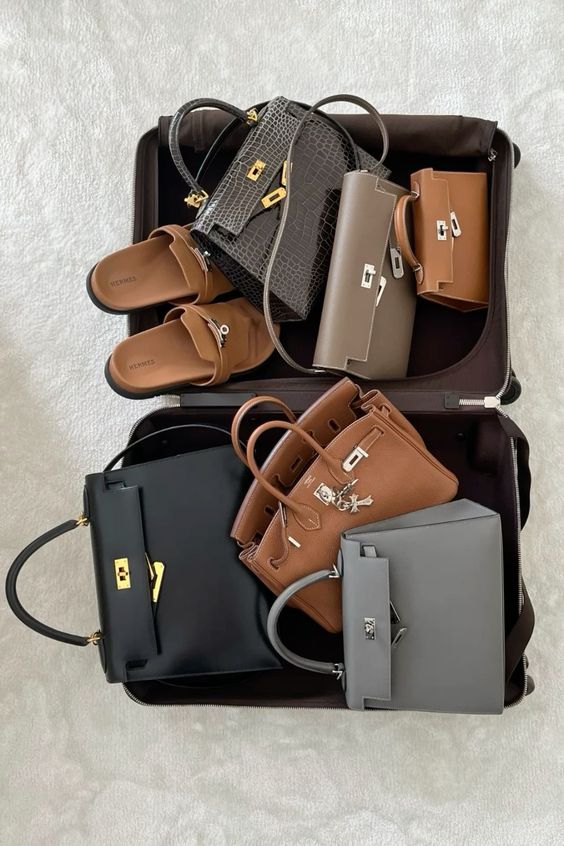
The wait itself can also be considerable.
Waiting several months to over a year is common,
and even after all that time,
you may need to wait longer if the offered color or size is not right.
Availability and the boutique’s relationship with the customer
also matter, regardless of how much has been spent.
Spending alone does not guarantee the Birkin you want.
Many would-be Birkin buyers
eventually tire of waiting and turn to the resale market.
But that brings another challenge:
resale prices are very high, and limited stock
can still make the right bag hard to find.
With a buying process like this,
it is easy to see why the Birkin remains a wish-list bag for so many.
Now let’s look at the details.


Black leather with gold hardware
is the most popular combination of all.
It has a refined appeal without
being too conspicuous, making it easy
to carry every day while still feeling luxurious.


Against black leather,
gold hardware creates a rich, striking effect.

This bag is made in Togo leather.
Hermès insists on exceptional leather quality,
and its feel and durability
stand out even among luxury brands.
The logo stamped into the leather
is not pressed down heavily
as it is on some other brands.
To minimize damage to the leather,
the artisan uses as little pressure as possible while keeping the lettering clear.


From the side, the Birkin has
its characteristic softly folded, dumpling-like shape.
If this shape is not right,
the bag can look awkward
and lose some of its appeal,
so the side profile is a detail worth checking 🙂

The back is clean and simple,
with no additional decoration.


Four protective feet
sit on the base.


Another Birkin signature
is its lock.
That single detail alone
gives the bag a remarkable presence.

The more you look at the Birkin,
the easier it is to understand its place on so many wish lists.
That is all for this post.
Thank you 🙂
