


The supporting materials used in an Hermès bag
include reinforcements, handle cores and edge paint, all of which matter.
1. Thread
2. Zippers
But I consider these two the most important.
Let’s start with the thread.
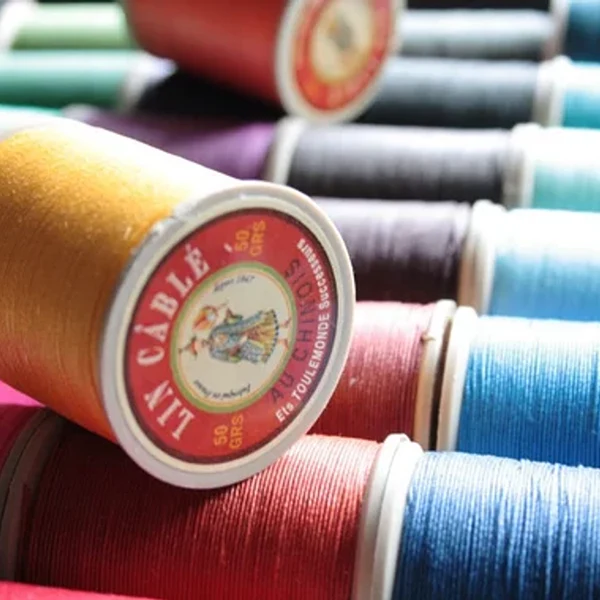
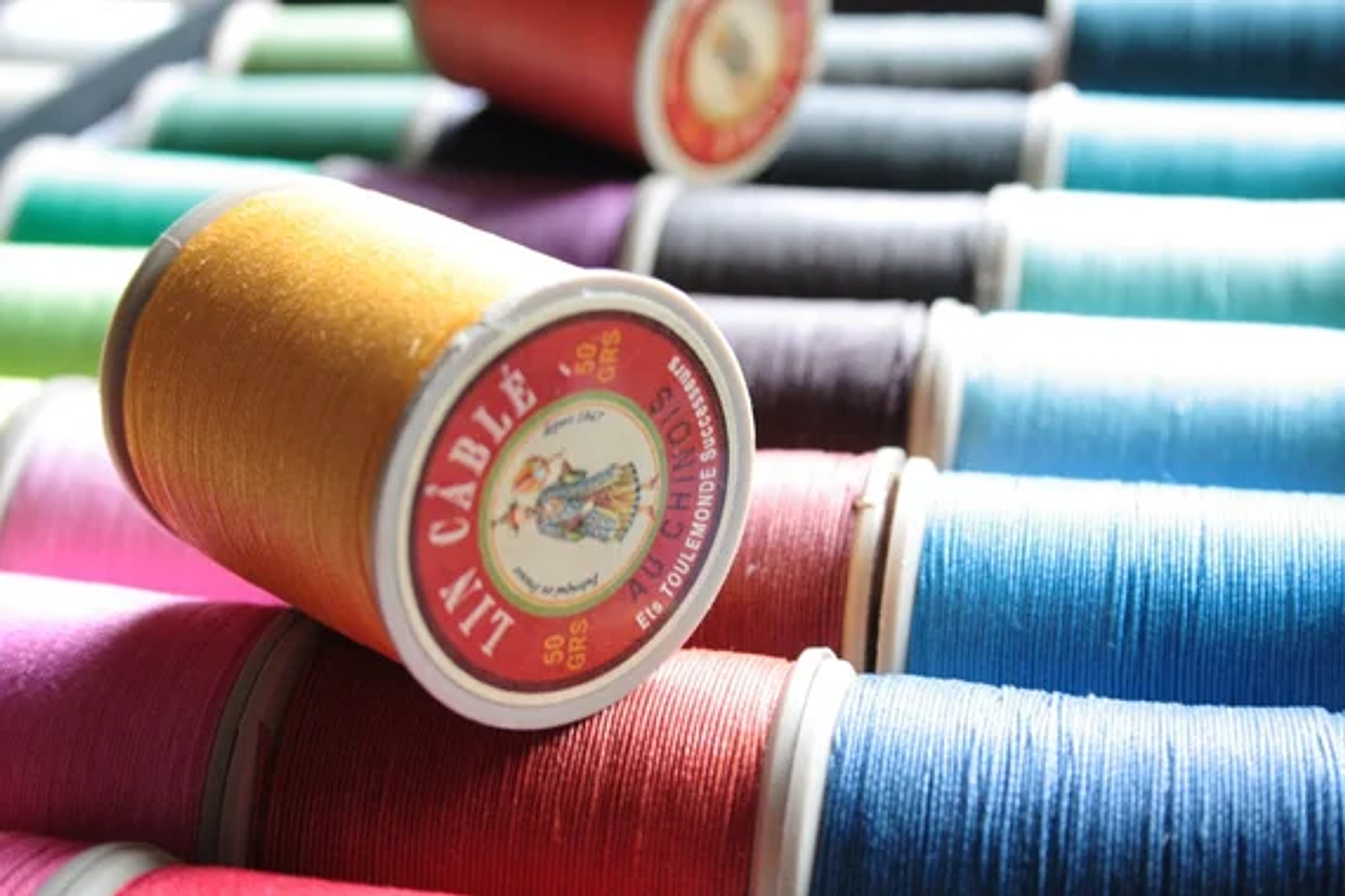
1. Lin Câblé linen thread
Hermès uses Lin Câblé thread to make its bags.
Lin Câblé is French,
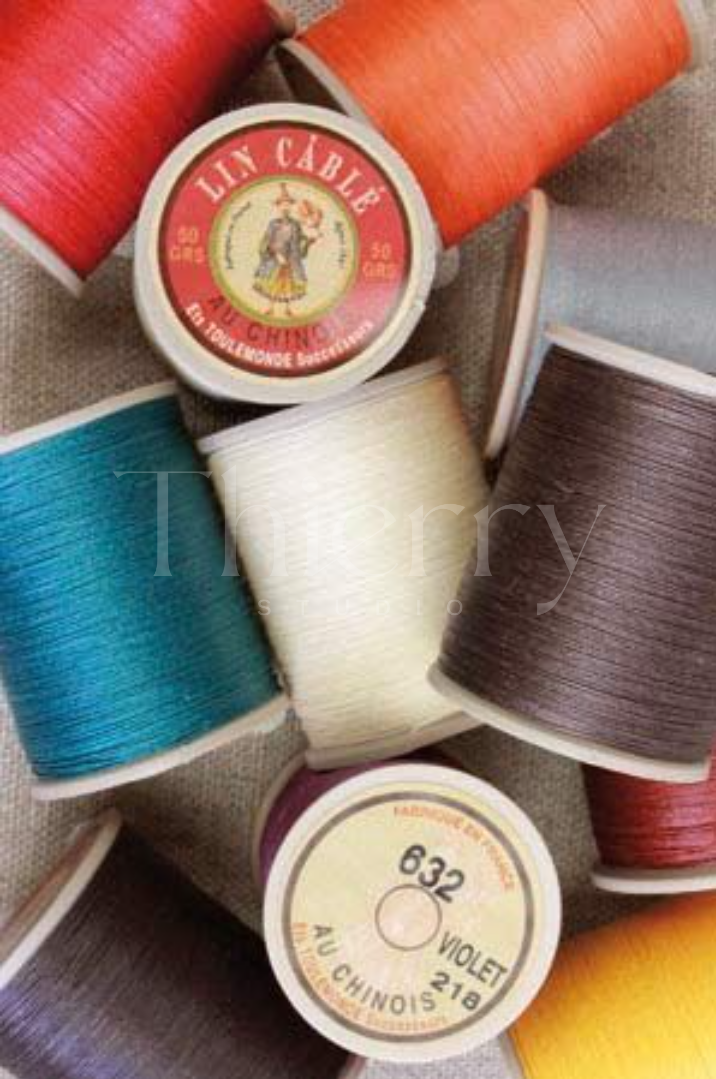
and is known for a wide range
of clear, vivid colors.
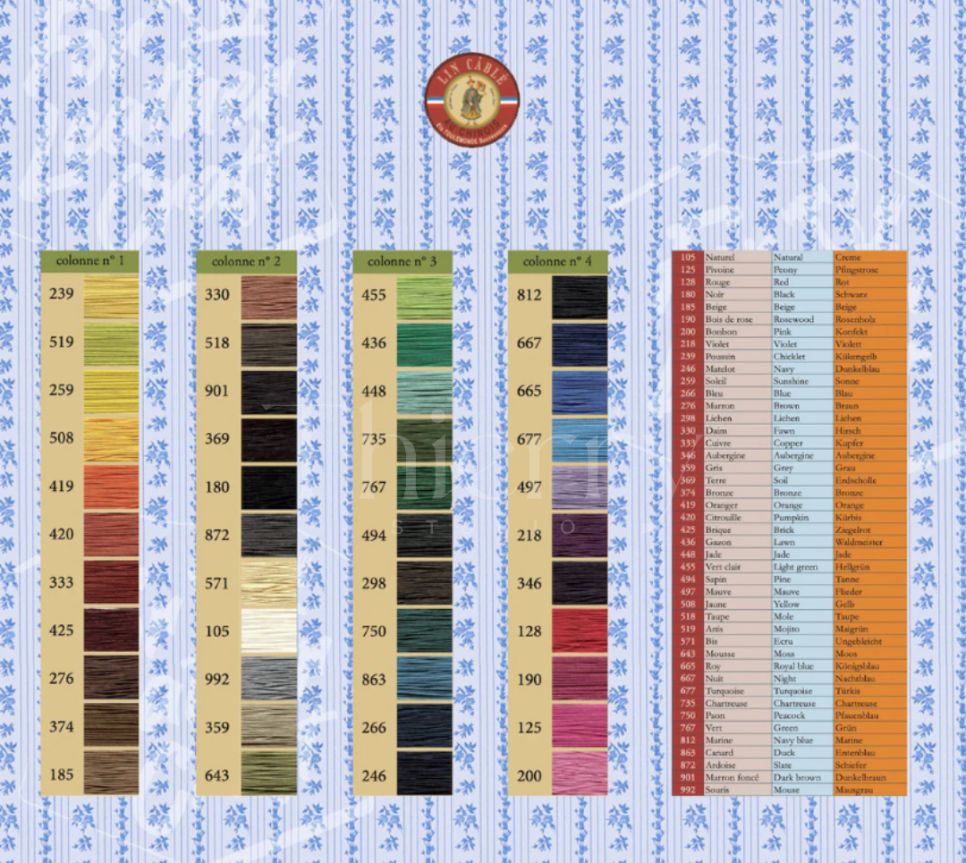
In “Lin Câblé,”
“lin” means flax, or linen.
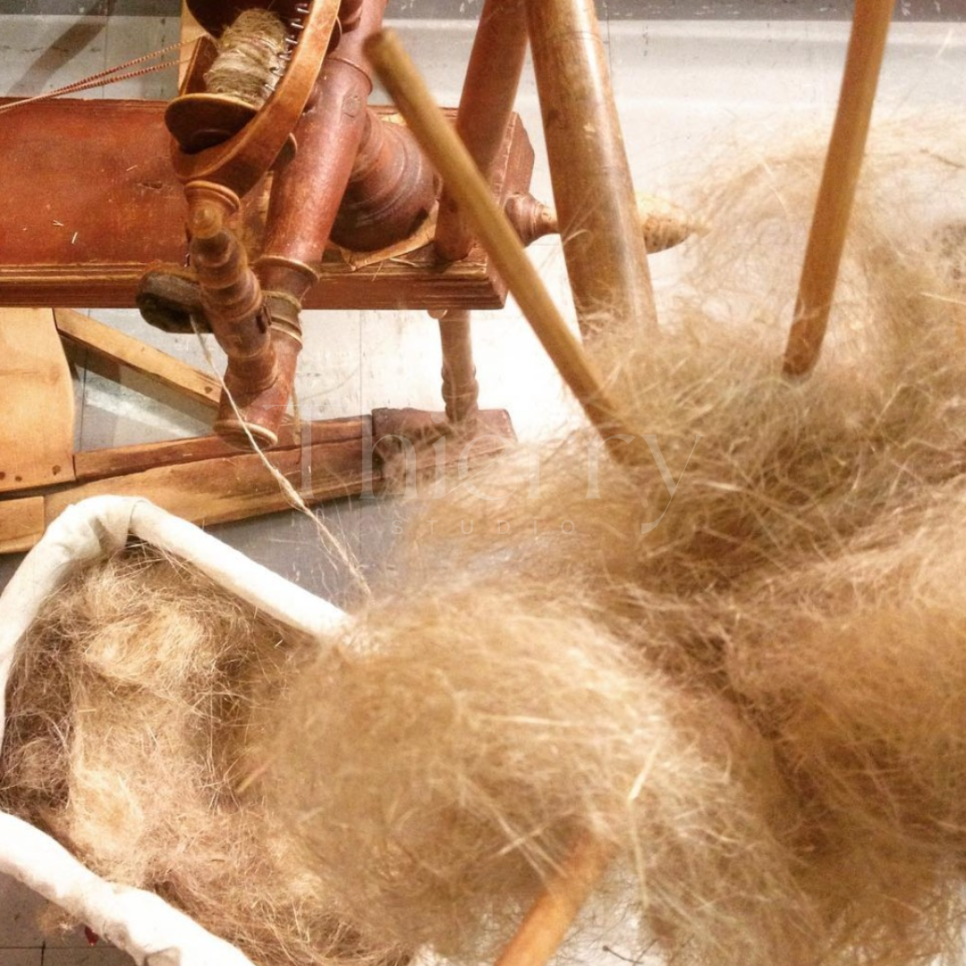
Flax fiber
is a bast fiber extracted
from the stem of the flax plant.
Among fibers used in clothing,
it has one of the longest histories.
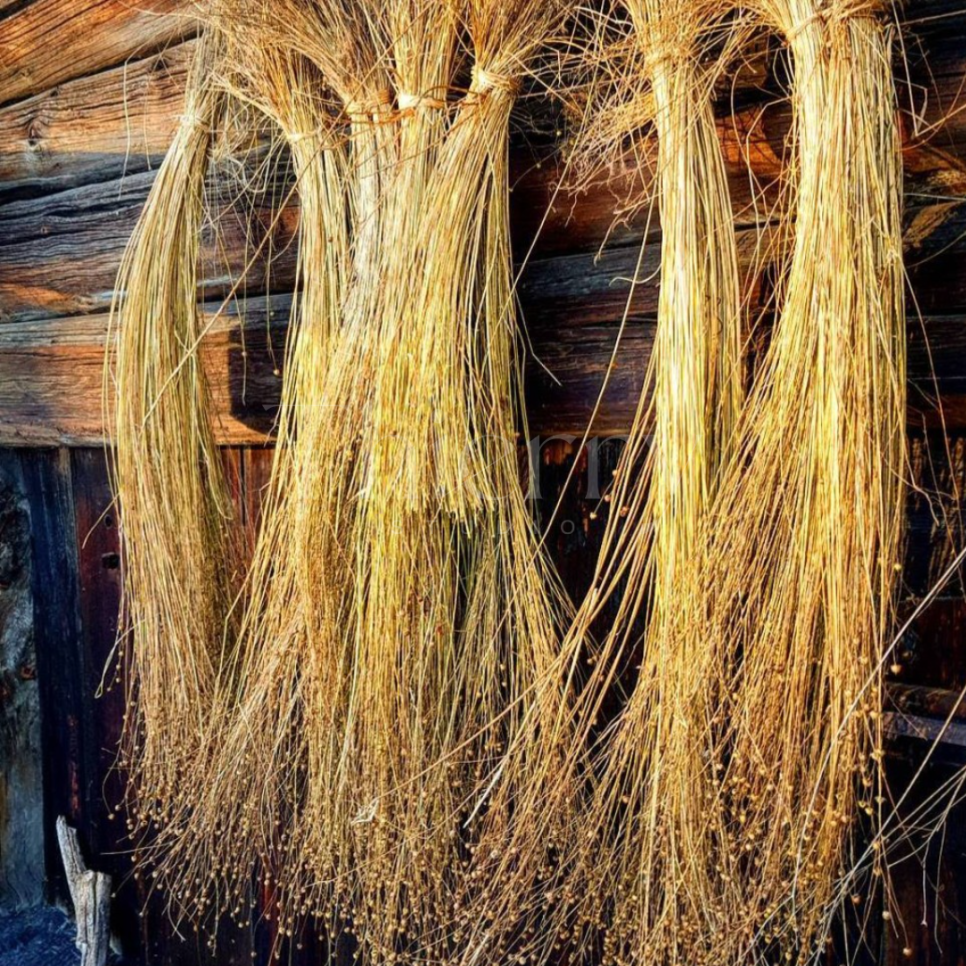
Because it comes from the outer part of a plant stem,
it is classed as a natural thread.
You can think of Lin Câblé linen thread
as natural fibers twisted together, rather like cotton thread.
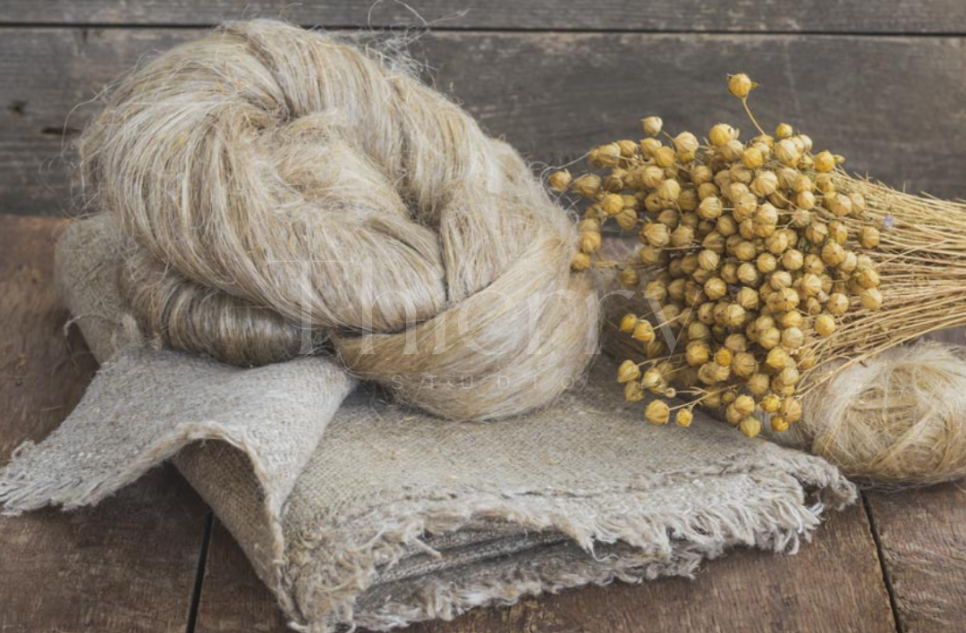
Natural thread is difficult to process,
takes time to produce,
and has a relatively rough surface.
(Natural thread can cost ten times as much as synthetic thread.)
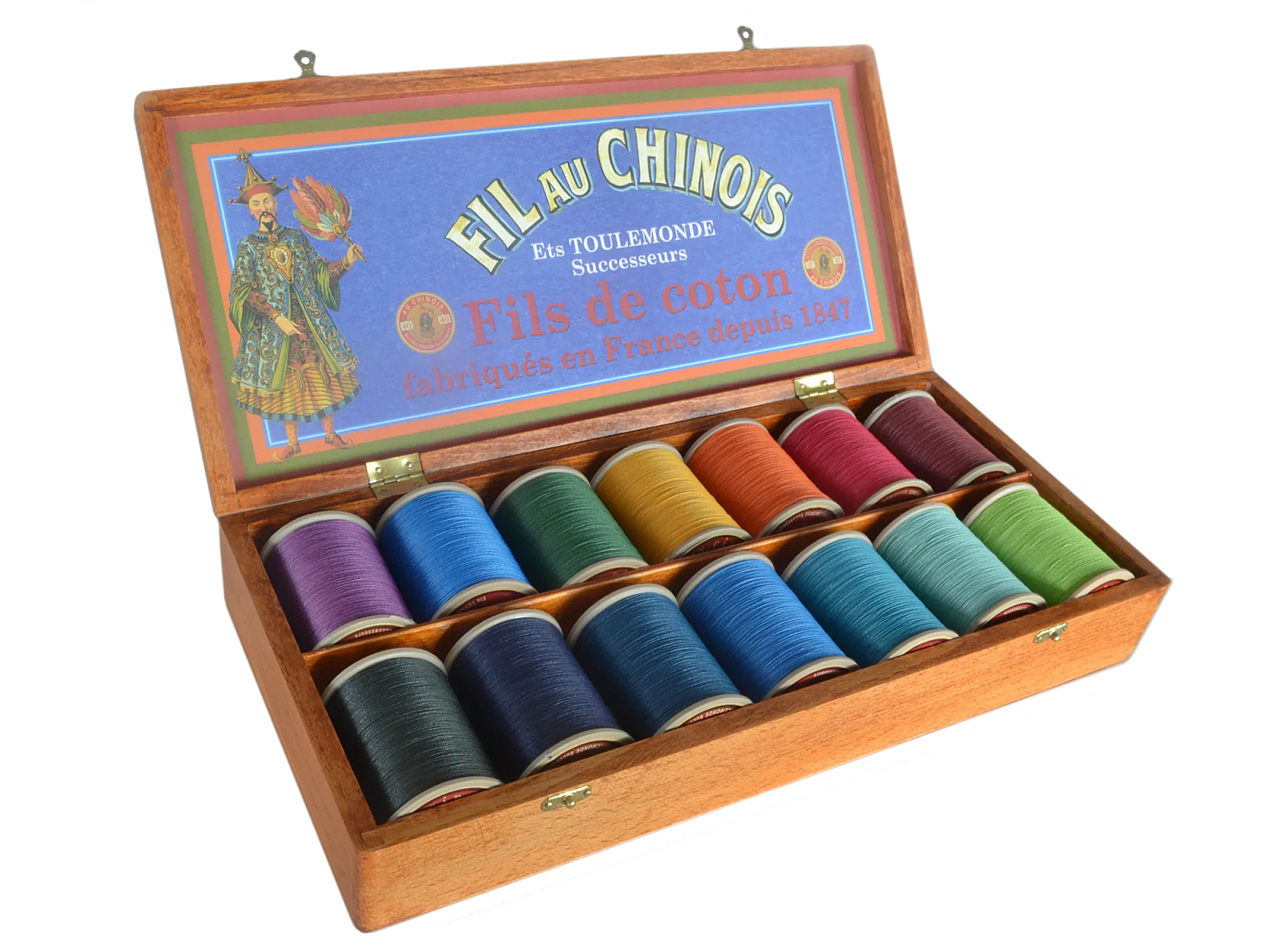
At approximately US$22 per spool, it is certainly a substantial expense.
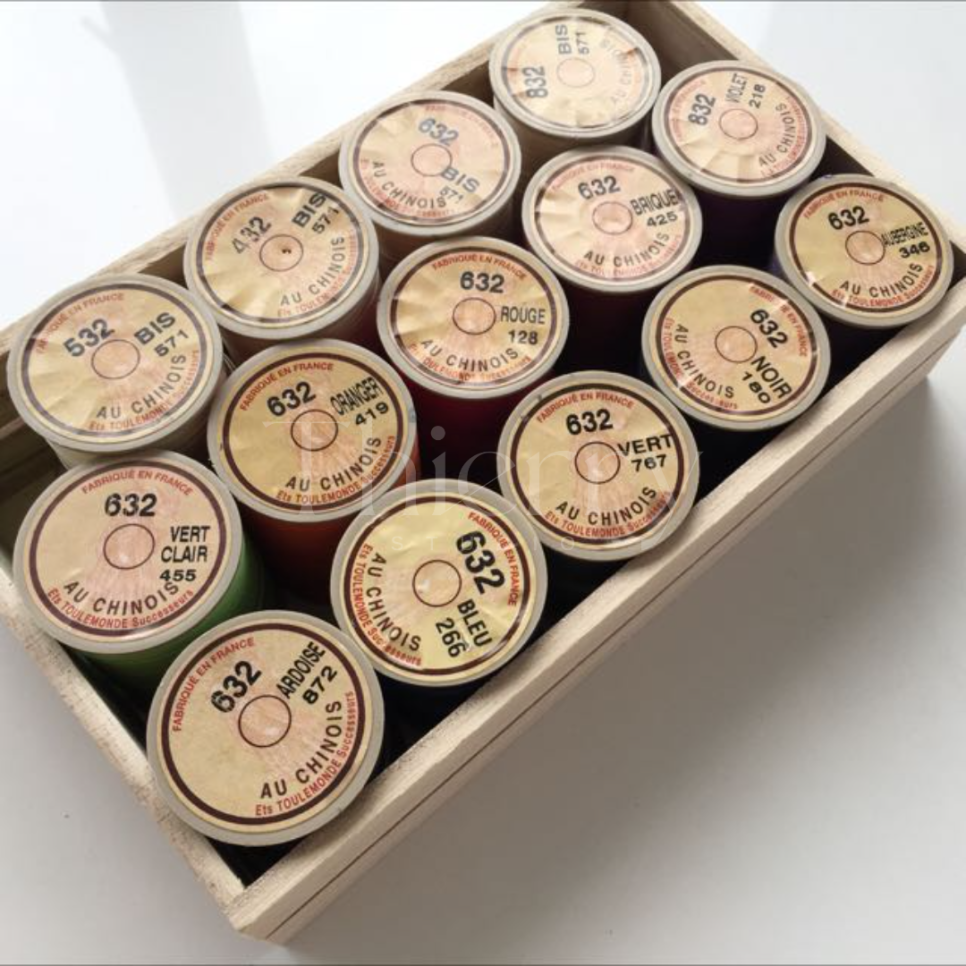
There are 14 spools here, so that is roughly US$310.
You can even find it sold online in smaller lengths, priced by the meter!
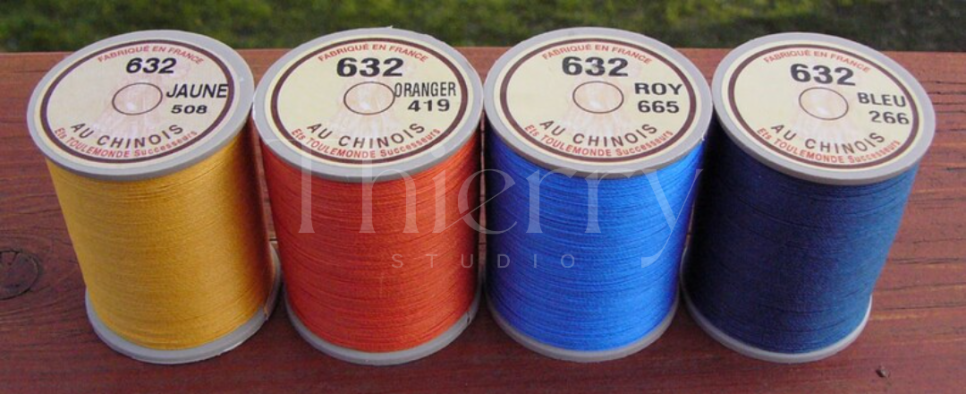
Natural thread
is weaker than synthetic threads such as Vinymo or Serafil,
and its rough surface creates more friction when stitching.
That is why it needs to be waxed before use.
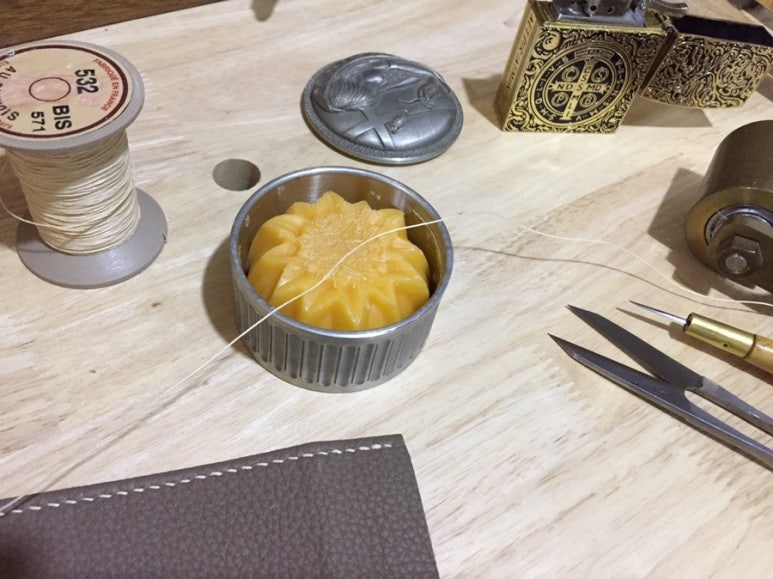
Finishing it after stitching is also more involved than with synthetic thread.
With all these drawbacks, why does Hermès,
a house at the very top of luxury, insist on Lin Câblé?
The answer is
its refined, natural,
subtle color, which synthetic thread cannot match.
“It’s only thread—people won’t notice anyway.”
I do not believe a company that makes bags
with that attitude can truly be a luxury house.
Small details reveal the bigger picture.
If a brand values every detail
and refuses to compromise,
surely that care will be reflected in the finished bag.
Thierry Studio makes no compromises here either.
Like Hermès,
we use Lin Câblé thread to make our products.
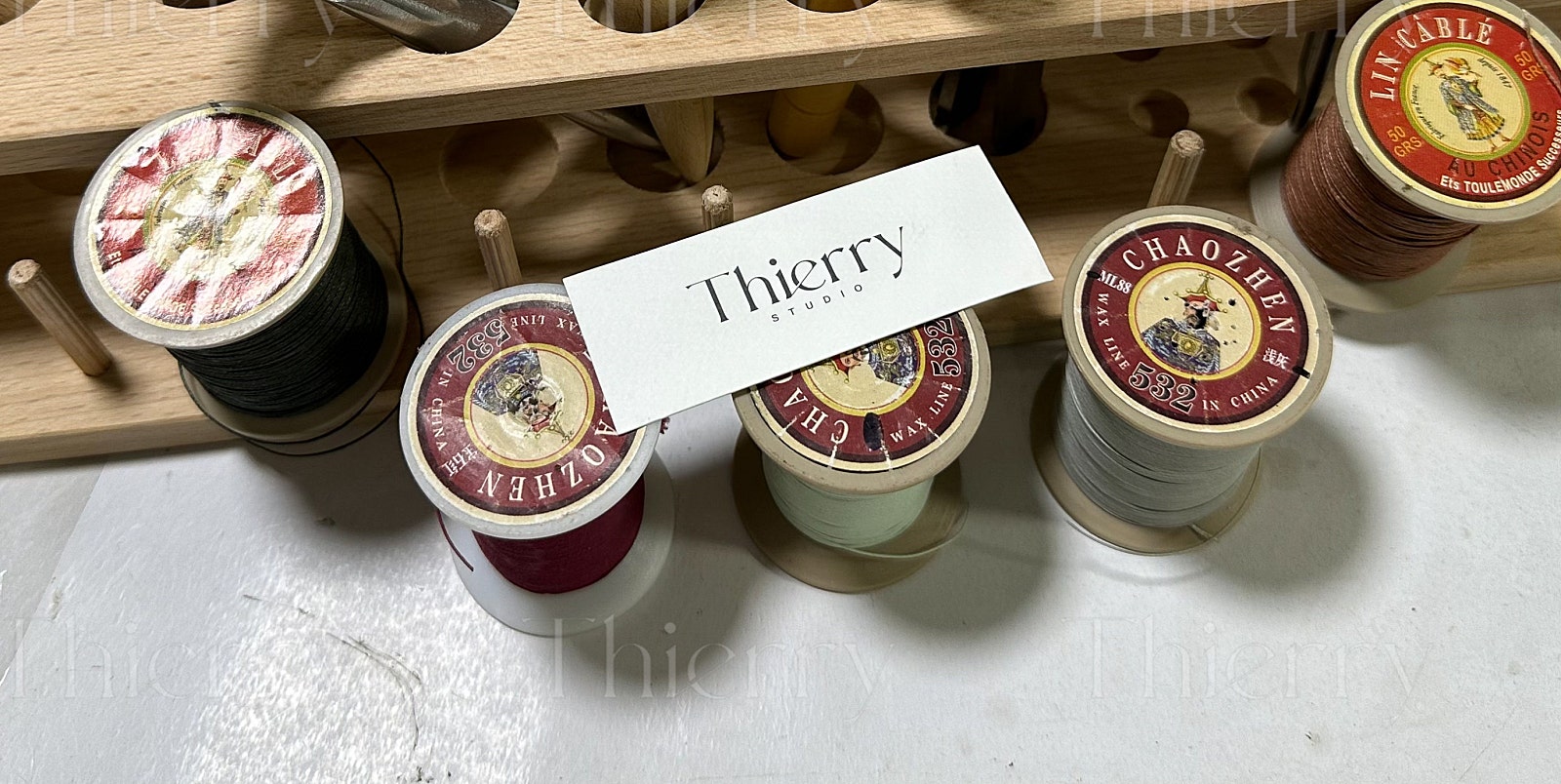
Proof of our Lin Câblé thread
We show not only photos of the thread itself,
but also proof that it is actually used in our bags.
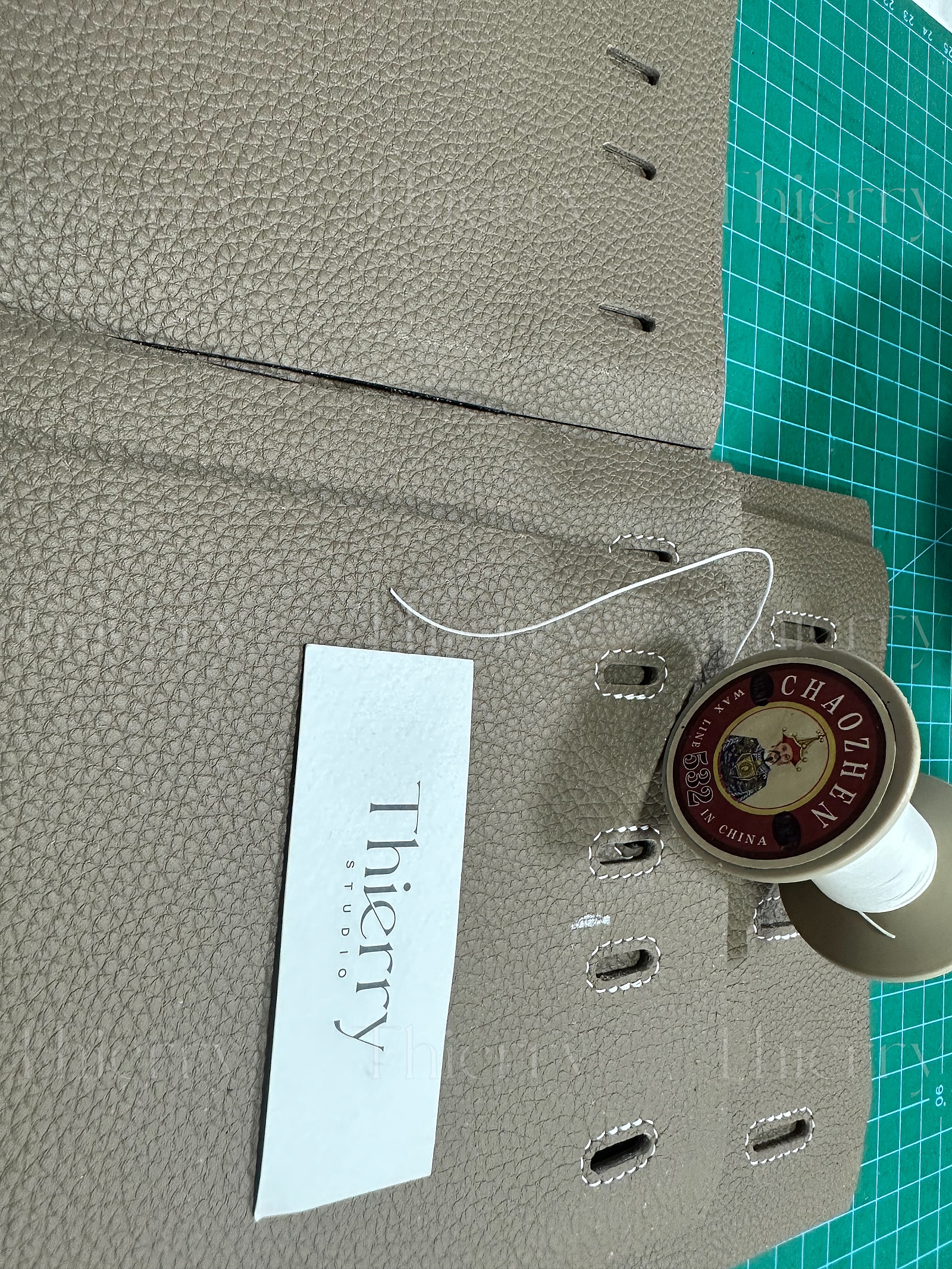
+ A useful detail to know
For a non-specialist,
natural and synthetic threads
can be difficult to tell apart,
whether loose or already stitched into a product.
One of the simplest ways to distinguish them
is by burning a sample.
Natural thread produces white smoke when burned.
Afterward, only ash remains.
Ordinary synthetic thread is usually made from polyester.
Polyester is petroleum-derived, so burning it produces black soot.
Natural materials such as Lin Câblé burn away without leaving that soot.
And if you untwist
a strand of Lin Câblé,
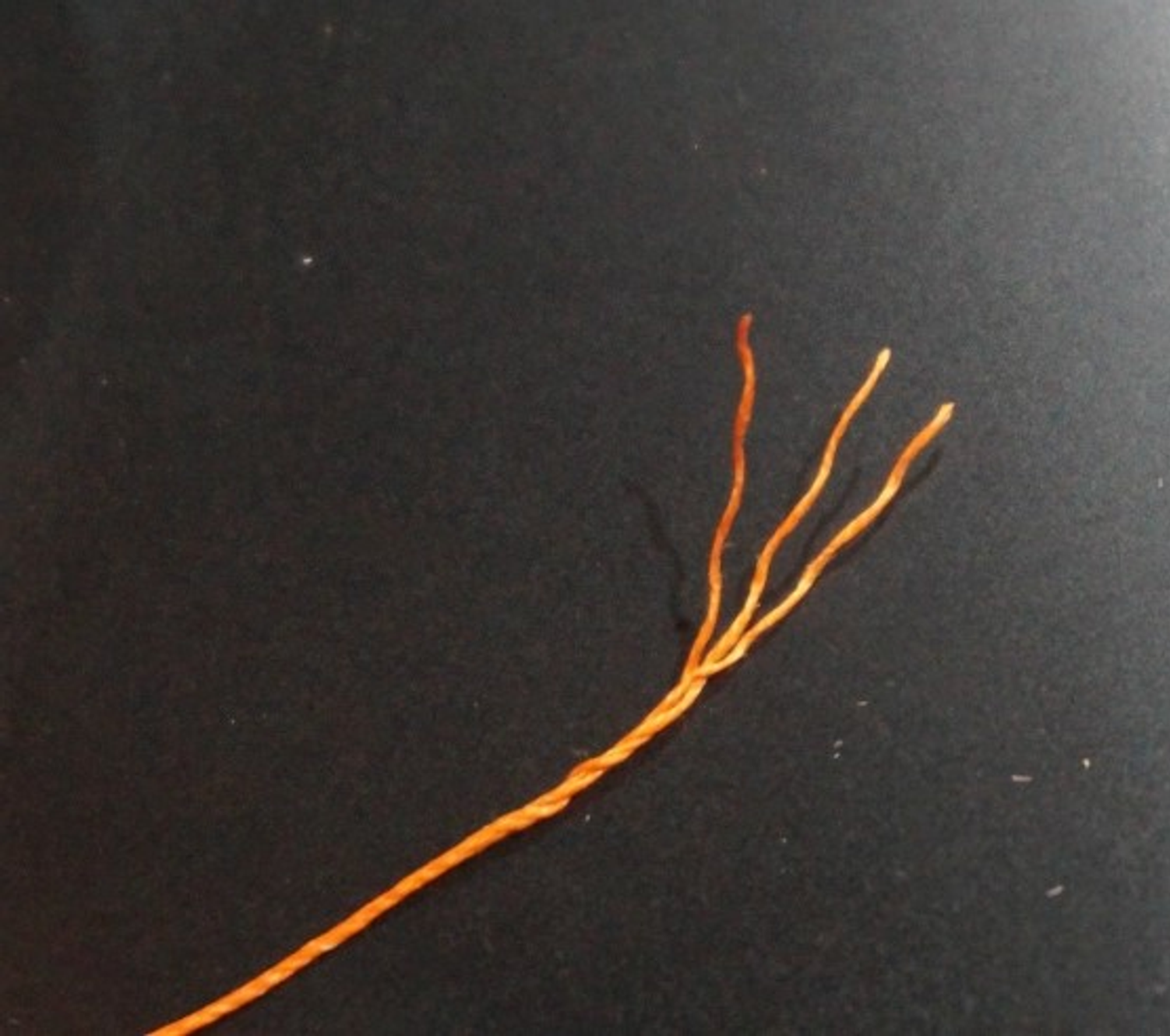
you will see three finer strands, as in the photo.
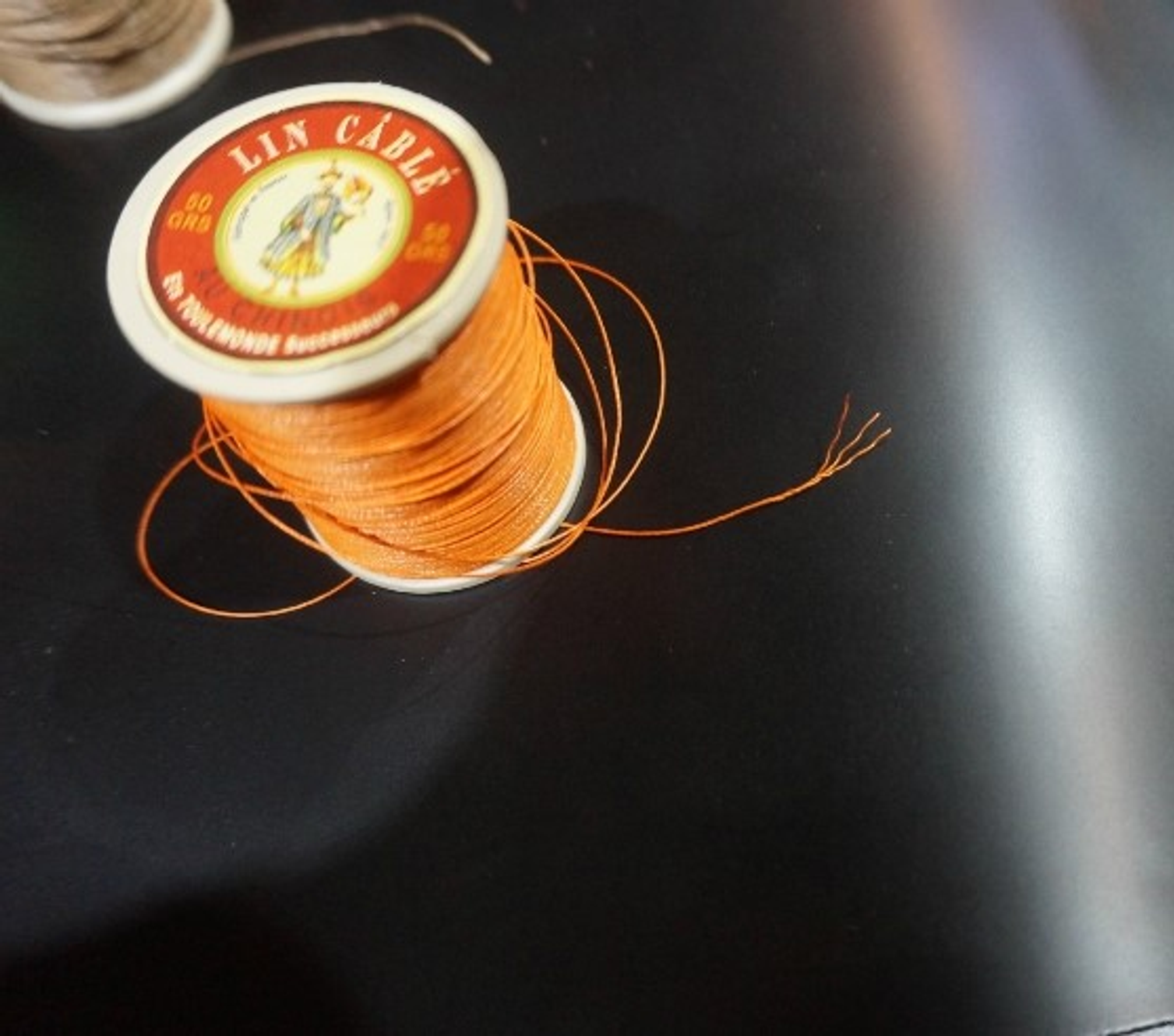
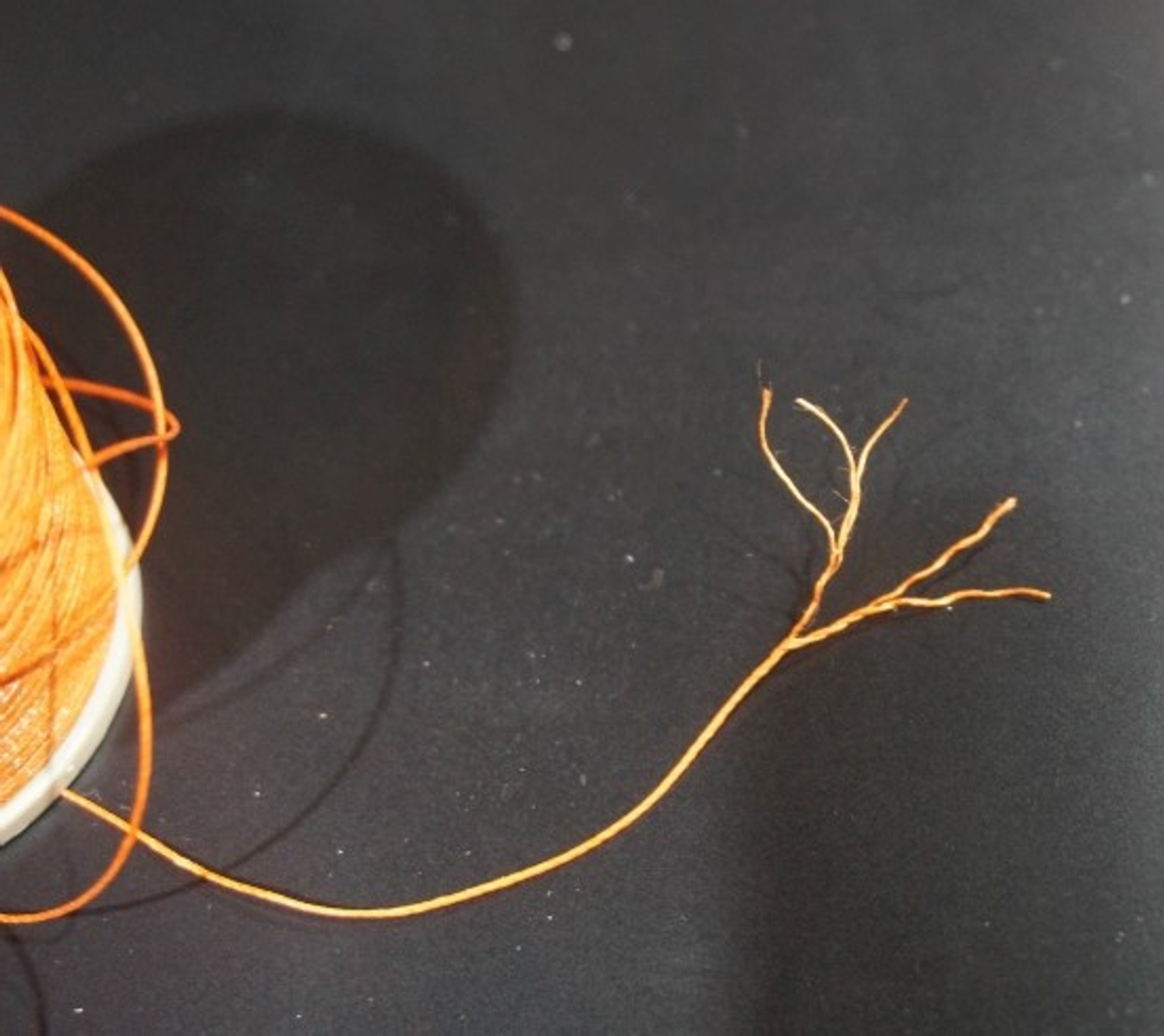
Untwist each of those, and you find another three strands.
In other words, nine strands are arranged in three groups of three.
2. Riri zippers
Riri attracts all kinds of superlatives: the Hermès, Ferrari or Lamborghini of zippers.
To put it simply,
it is a zipper used at the very top end of luxury.
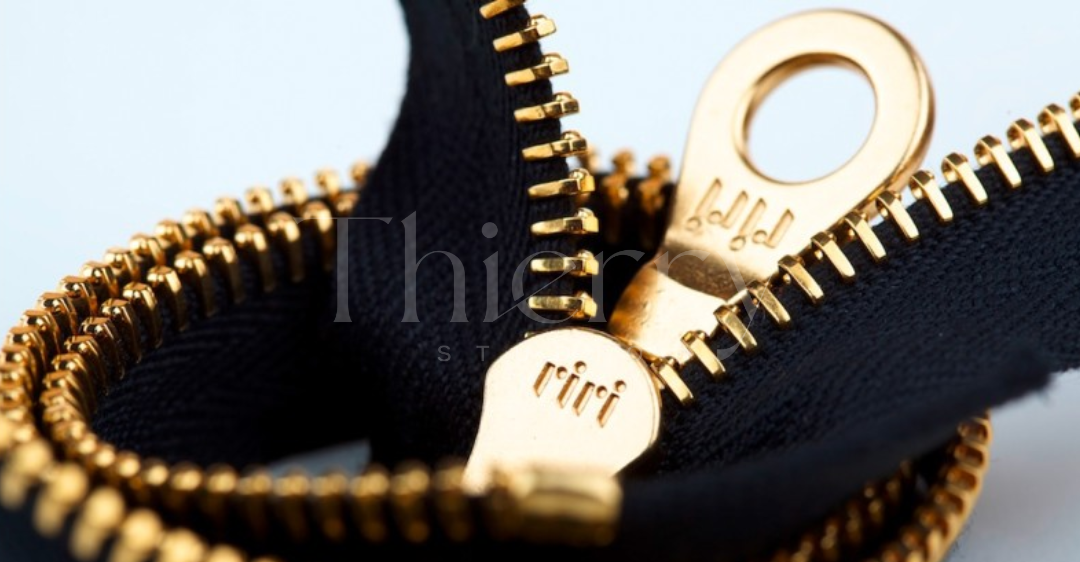
It runs exceptionally smoothly,
feels robust,
and has a distinctive shape where the teeth interlock.
You might think all interlocking zipper teeth look much the same,
but just like the Lin Câblé thread,
this small difference can influence the character of the whole product.
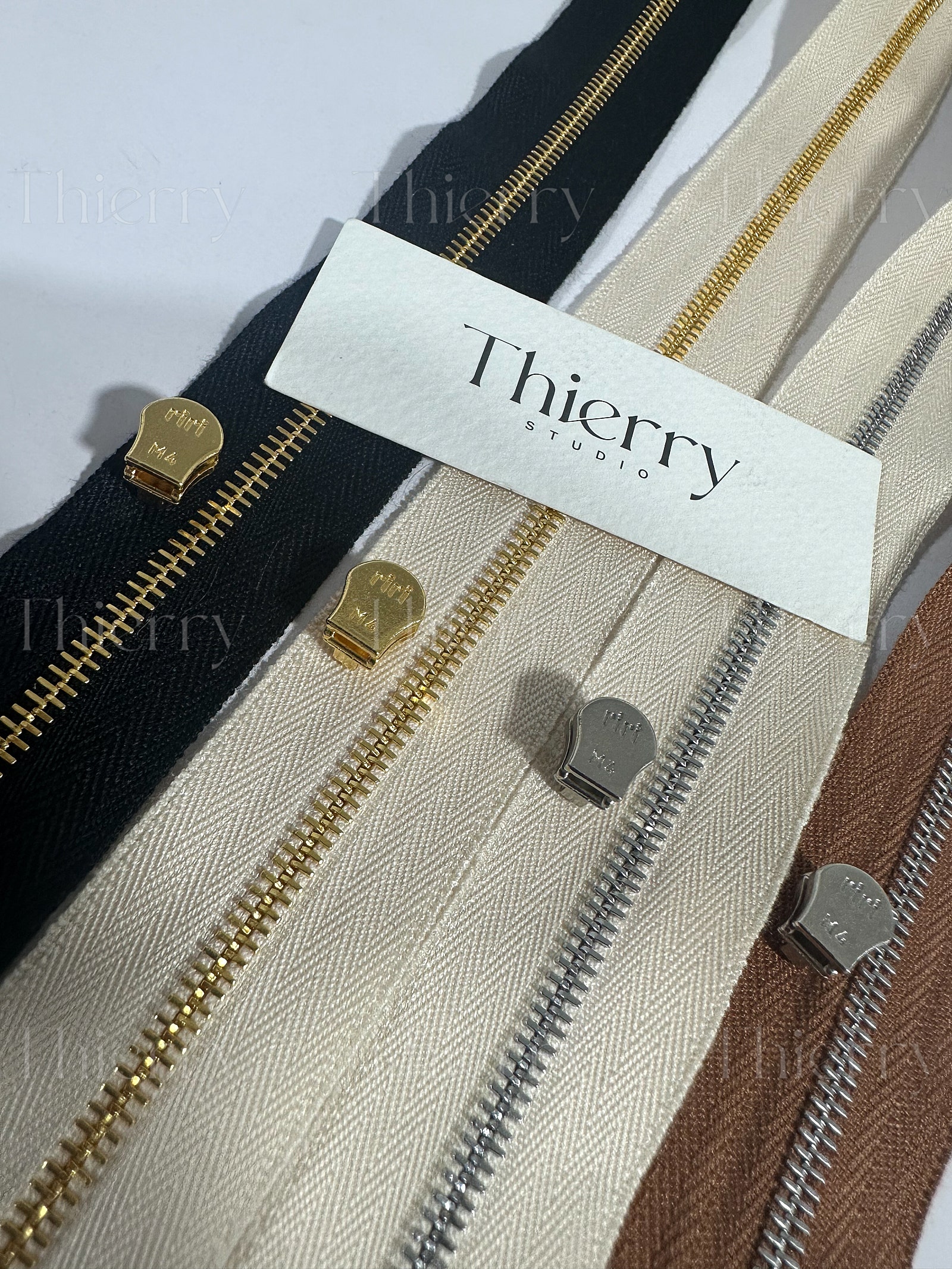
At Thierry Studio,
we also use genuine Riri zippers,
just as Hermès does.
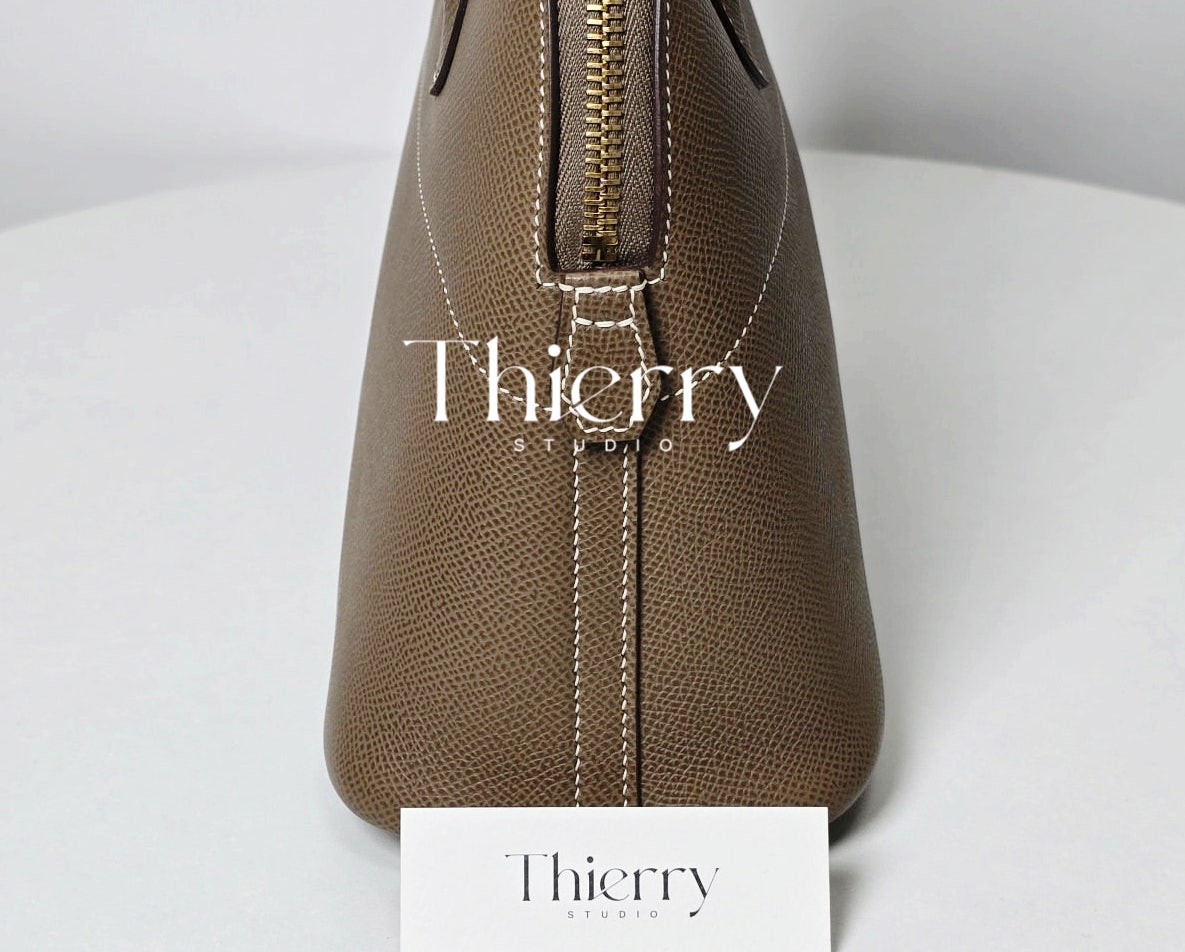
A Thierry Studio bag fitted with a genuine Riri zipper
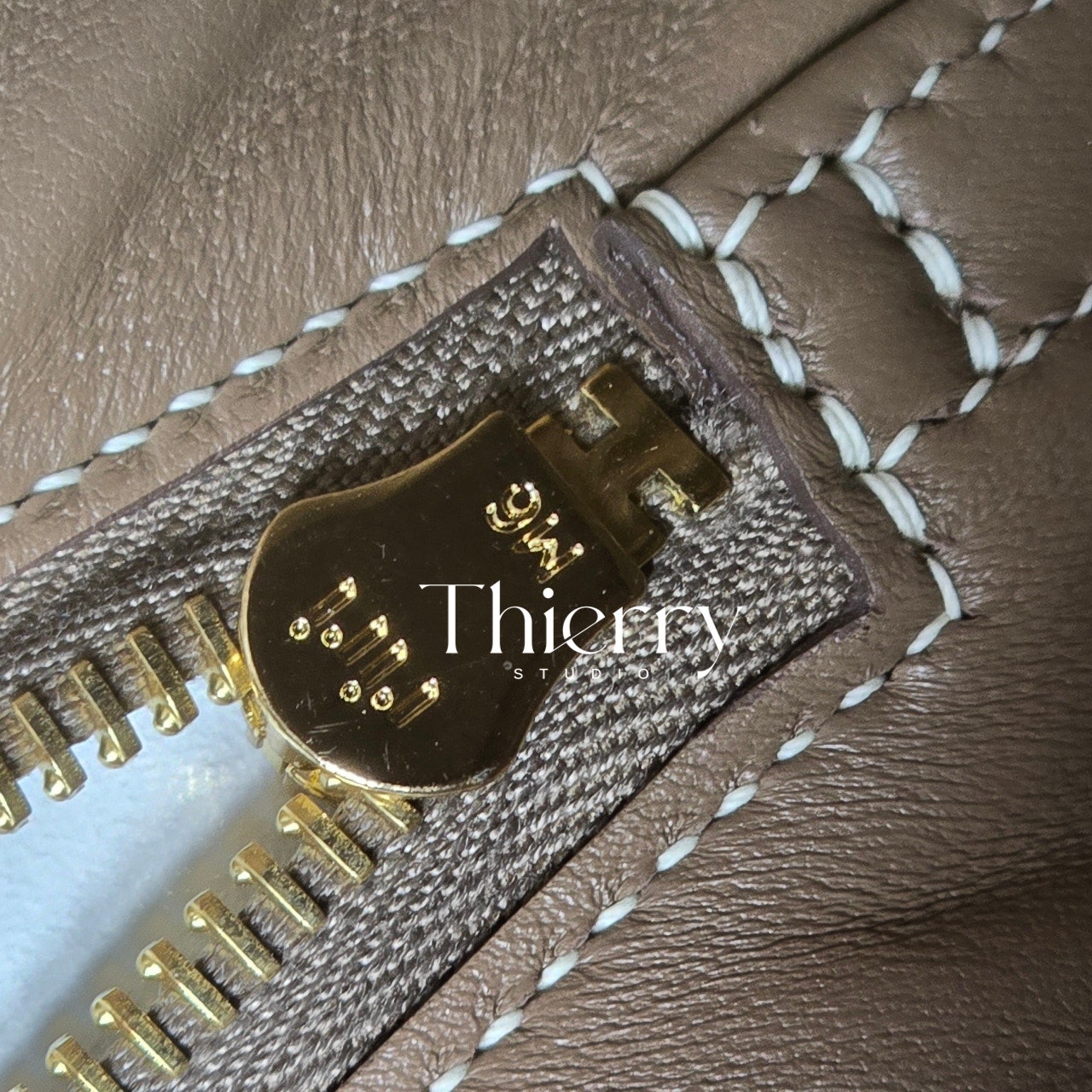
There are many counterfeit Riri zippers, too.
Some have “Riri” engraved only on the pull head.
I will try to obtain one of those and cover it in a future post.
We use the finest materials
to make the finest products.
We have shown clear evidence of the materials we use 🙂
